Service
Foundation Repair.
Not every crack means the same thing. Some are cosmetic, some leak, and some point to movement. The assessment determines which — and whether the repair is within our scope or needs an engineer.
How It Works
Diagnose the condition before repairing the symptom.
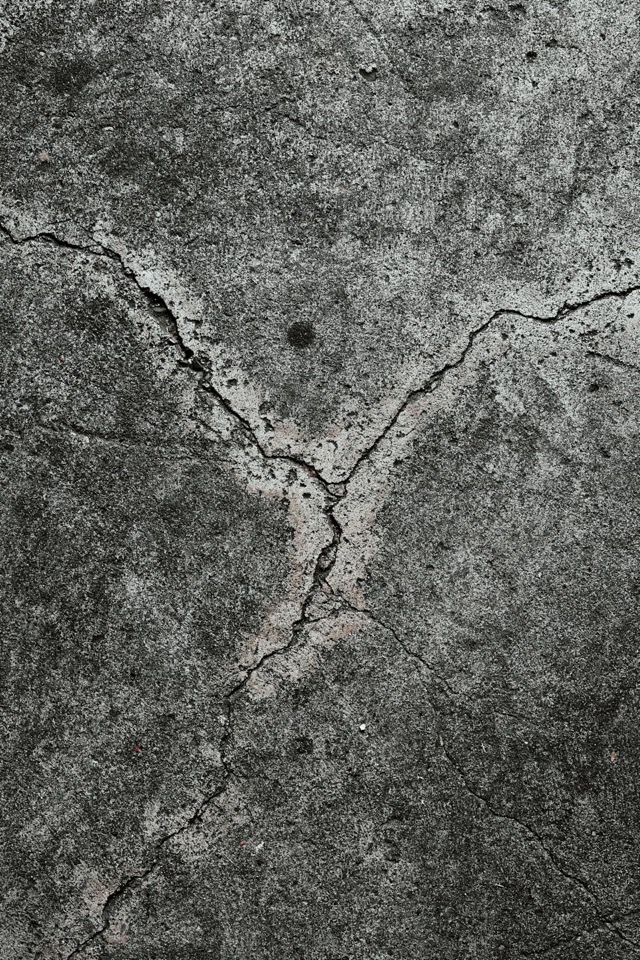
Foundation concerns show up in different ways: cracks that leak, cracks that widen, walls that bow inward, floors that slope, or doors that stop closing. Each pattern carries a different level of concern, and treating them all the same is a mistake.
We assess the visible condition and the likely cause before proposing anything. Where the condition suggests structural movement or settlement, we recommend an engineering evaluation rather than implying that one technique solves every case.
Repair work is scoped only for the methods we can actually provide. When a specialist or stamped design is needed, we say so.
Scope
Reasons for a foundation assessment.
Cracks
Hairline, horizontal, stair-step, or widening cracks — each read differently before any repair.
Seepage points
Water entering through cracks or the wall itself, which may be a drainage issue as much as a foundation one.
Bowing & movement
Walls leaning or bowing inward, which calls for structural assessment rather than a cosmetic patch.
Settlement
Sloping floors, sticking doors, or step cracks that can indicate movement below.
Leak vs. structure
Separating a water-entry problem from a structural one, since they can look similar from inside.
Repair planning
Selecting methods by condition, and flagging when engineering review is the right next step.
We publish only the methods we can actually provide. If your condition needs an engineer or a specialist, the assessment will tell you that instead of overselling a fix.
Common Signs
Signs worth a foundation assessment.
These are the conditions where taking a closer look is worthwhile.
Cracks that leak, widen, or run horizontally.
Stair-step cracks in block walls.
A wall that bows or leans inward.
Sloping floors or doors that no longer close.
Water entering through a crack.
Gaps or separation at the floor-wall joint.
Any one of these points to something worth inspecting — not a confirmed cause. The assessment sorts that out.
What We Assess
What we look at during a foundation assessment.
- Crack type, width, and whether it is changing.
- Wall material and evidence of movement.
- Floor slope and other signs of settlement.
- Whether the cause is water pressure or structure.
- Whether an engineering review is warranted.
- Which repair methods actually apply.
How the Work Goes
How foundation work goes.
- Assess the condition and the likely cause.
- Separate water-entry issues from structural ones.
- Recommend the right repair or a specialist.
- Provide written scope for the agreed method.
- Complete the work and document it.
Local Context
Older foundations in Bergen County.
Many Bergen County homes sit on block or older poured foundations that have been through decades of freeze-thaw and groundwater. Not every crack is serious, and not every serious-looking one is benign. The point of the assessment is to sort them accurately.
Questions
Straight answers about foundation repair.
Is a crack in my basement wall serious?
Do you fix bowing walls?
Is water coming through a crack a foundation problem?
Can you tell me what it will cost upfront?
When is an engineer needed?
Cracks or a wall that moved?
Request an assessment before assuming the worst — or the best.